
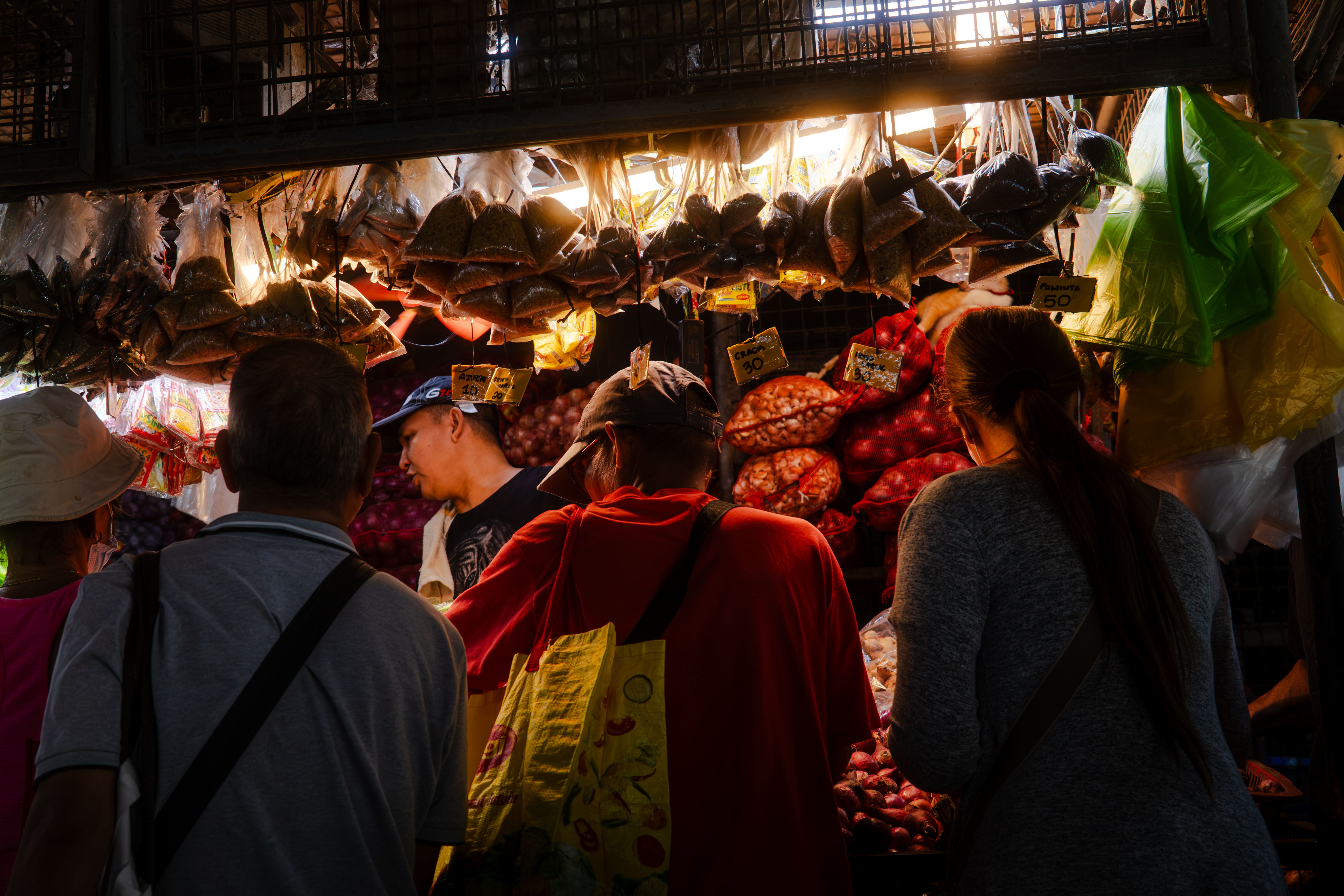

Walk through almost any major American city on a weekend morning, and you're likely to stumble upon something extraordinary: a marketplace alive with color, aroma, and sound that doesn't belong to any single culture but feels deeply, unmistakably American. Community markets have become some of the most honest expressions of what the United States actually looks like: layered, interconnected, and endlessly diverse. From Persian herb vendors to Filipino dessert stalls, these gathering spaces tell a story that no textbook can fully capture.
More Than a Marketplace
At first glance, a community market might seem like a simple place to buy fresh produce or handmade goods. But for heritage communities across the country, these spaces carry far greater weight. They are places where cultural identity is preserved and passed on, where a grandmother's recipe becomes a small business, and where second-generation immigrants reconnect with traditions their parents carried across oceans.

Welcome to United Tribes
Where Diverse Cultures Come Alive
Join Your Tribe
Connect with your people
Discover Events
Watch parties & festivals
Find Tribe Businesses
Restaurants, markets & more
Earn Crown Credits
Get rewarded for engaging
Local markets rooted in specific cultural communities function as anchors. They give neighborhoods a cultural center of gravity — a reason to gather, celebrate, and sustain economic activity within the community itself. In cities like Los Angeles, Chicago, Houston, and New York, these markets aren't niche attractions. They are thriving ecosystems.
Filipino Markets and the Spirit of Bayanihan
In areas with large Filipino-American populations, notably in California, Nevada, and the Pacific Northwest, Filipino community markets bring together vendors selling everything from *ube* products and *bibingka* to hand-embroidered *barong tagalog* shirts. These markets often coincide with local cultural festivals or community organization events, drawing both longtime Filipino-Americans and curious newcomers.
The concept of bayanihan, a Filipino cultural value centered on communal unity and helping one another — is deeply embedded in how these markets operate. Vendors refer customers to neighboring stalls, families volunteer to manage booths, and proceeds often feed back into cultural programs. Filipino markets aren't just commerce. They're community infrastructure.
Latino Markets and the Power of Street Food Tradition
Latino community markets span an enormous range of cultural expression, from Mexican *mercados* to Colombian street food pop-ups and Salvadoran pupusa vendors. What they share is an emphasis on food as cultural storytelling. A bowl of menudo served at a Mexican-American market is like a direct link to home, family, and generational memory.
Latino entrepreneurs have also been reshaping broader commercial landscapes. The visibility of Latino-owned businesses at markets and beyond is documented in how Hispanic entrepreneurs are reinventing Main Street USA, turning culturally rooted commerce into genuine economic development across American communities.
Indian Markets and the Spice Route Revival
Indian community markets in the United States, particularly in regions like the New Jersey corridor, the San Francisco Bay Area, and the Dallas-Fort Worth metro, offer some of the most sensory-rich experiences in multicultural markets today. Vendors stack fresh curry leaves alongside packaged *dal mixes*, Bollywood soundtracks play in the background, and festival goods appear seasonally for Diwali, Holi, and Navratri.
Beyond the spices and sweets, these markets serve as launch pads for Indian-American entrepreneurs testing products before committing to brick-and-mortar retail. The growth of Indian street food pop-ups in American cities reflects a broader trend: culturally specific food becoming a vehicle for both business development and cultural education for non-Indian Americans who encounter these flavors for the first time.
Persian Markets and Culinary Influence
Persian community markets, concentrated in cities like Los Angeles, where the Westwood neighborhood is sometimes called "Tehrangeles," offer an immersive experience in Iranian food culture. Saffron, pomegranate molasses, dried herbs for *ghormeh sabzi*, and fresh *sangak* bread are staples that draw both Iranian-Americans maintaining household traditions and adventurous home cooks exploring new ingredients.
The influence of Persian cuisine extends well beyond community markets. The way Persian cuisine is influencing American dining reflects how marketplace exposure gradually shifts mainstream food culture — and Iranian-American entrepreneurs are central to that process, as highlighted in profiles of Iranian-American entrepreneurs building business and community across the country.
Somali Markets and Emerging Community Visibility
Somali-American communities, particularly in Minneapolis-Saint Paul, Columbus, and Seattle, have developed vibrant local markets that reflect East African food traditions and commerce. Vendors offer *suqaar*, *sambusa*, imported spices, and traditional *dirac* fabrics alongside everyday goods. These markets serve populations that have historically been underrepresented in mainstream U.S. cultural conversations.
What makes Somali community markets particularly significant is their dual function: providing culturally specific goods that can't be easily found elsewhere while also creating economic entry points for newly arrived entrepreneurs. For many Somali-Americans, the market stall is the first chapter of a business story that eventually grows into something larger.
What All These Markets Share
Despite their cultural differences, multicultural markets across the United States share fundamental qualities. They prioritize community over competition. They make space for small, independent vendors who might not survive in a conventional retail environment. They celebrate American communities that are often invisible in mainstream commercial spaces.
They also educate. A non-Filipino customer trying *halo-halo* for the first time, or a non-Iranian shopper asking about *ta'dig*, becomes briefly connected to a culture they might never otherwise encounter. That exchange, small, informal, but genuine, is part of what makes these markets so culturally powerful.
Markets as Living Cultural Bridges
Community markets are active, evolving reflections of America's cultural diversity in real time. They give heritage communities a place to sustain tradition while adapting to life in the United States, and they give all Americans a chance to experience the richness that multicultural communities bring to daily life. From the Persian saffron vendor in Los Angeles to the Somali sambusa maker in Minneapolis, these spaces represent the lived reality of a genuinely pluralistic nation.
For entrepreneurs, cultural leaders, and everyday community members, markets also represent opportunity. They lower the barrier to entry for small business ownership, build customer relationships rooted in trust and shared identity, and create economic momentum within communities that have historically been underserved by mainstream commercial infrastructure.
Curious about which culturally rooted businesses and markets are active in your area? Explore the United Tribes community to discover vendors, entrepreneurs, and cultural spaces representing dozens of heritage communities across the United States.


