

When the Season Changes, Communities Come Alive
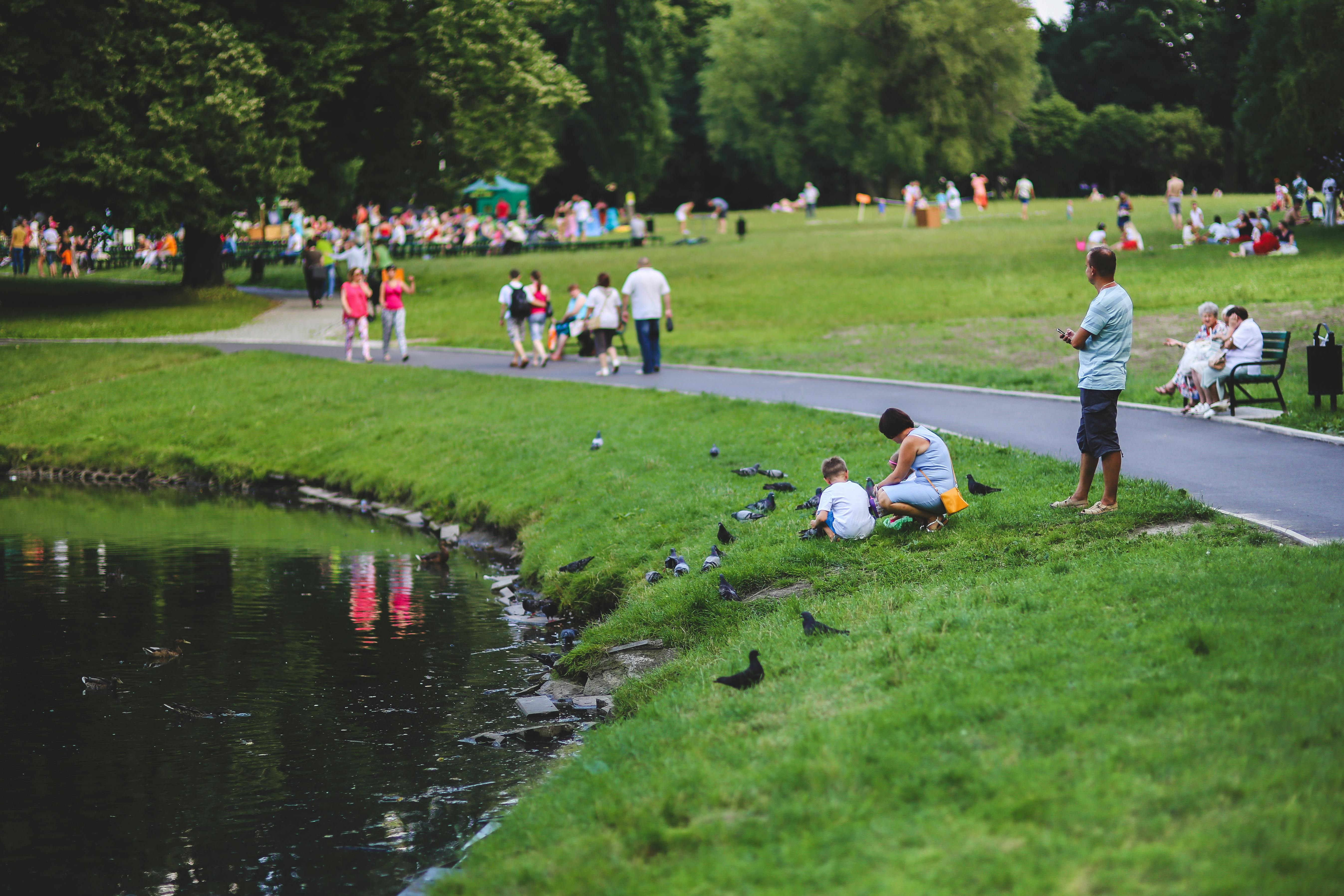
There is something quietly remarkable about late spring in the United States. As temperatures soften and daylight stretches longer, people across cultures begin moving outward — from kitchens to backyards, from living rooms to park lawns, from private family circles to bustling public squares. May is not just a month on the calendar. For millions of Americans rooted in diverse heritage traditions, it is a time of intentional gathering, cultural expression, and shared memory. Community gatherings across cultures in late spring reveal a universal truth: humans use space as a canvas for belonging.

Welcome to United Tribes
Where Diverse Cultures Come Alive
Join Your Tribe
Connect with your people
Discover Events
Watch parties & festivals
Find Tribe Businesses
Restaurants, markets & more
Earn Crown Credits
Get rewarded for engaging
What makes this season so compelling is the variety of ways different communities claim their spaces. A Filipino family's backyard in California might look nothing like a Persian household's garden setup in Virginia. Yet, both are animated by the same impulse — to gather with purpose, honor what matters, and keep traditions alive in a new homeland.
Filipino Communities and the Beauty of Bayanihan in May
For Filipino Americans, late spring gatherings carry the spirit of bayanihan — the cultural value of communal unity and collective effort. Parks and community halls become extensions of the Filipino home. Spring community events hosted by Filipino associations often feature traditional foods like lechon and pancit, folk dances performed by youth groups, and storytelling sessions connecting younger generations to Philippine history.
May also aligns with Flores de Mayo, a centuries-old religious tradition honoring the Virgin Mary. In many Filipino American communities across California, Illinois, and New York, this tradition is recreated in church halls and community gardens. Young participants dress in traditional attire and offer flowers in weekly ceremonies throughout the month, blending faith with cultural identity in shared public spaces.
These gatherings are nostalgic exercises that reinforce a sense of belonging. Understanding the full depth of Filipino festivals in the US reveals how rich and consistent this community's gathering culture truly is across different regions.
Latino Communities and the Pulse of Public Celebration
Latino communities — spanning Mexican, Puerto Rican, Cuban, Central American, and South American heritages — transform public space with particular energy in May. Multicultural traditions in the US find one of their most vibrant expressions through Latino street festivals, neighborhood parades, and family-centered gatherings during this time of year.
Cinco de Mayo, while often mistaken for Mexico's Independence Day, serves as a springboard for broader Latino community pride in the US. Parks across Los Angeles, Chicago, Houston, and Miami host cultural fairs with live music, traditional dance, and vendor markets. Families spread out across picnic blankets while children participate in folkloric performances. The communal dimension of these events is central — the park itself becomes a cultural home.
Beyond the public festival, Latino households practice their own form of intimate gathering. Extended family convivencias — informal get-togethers centered on shared food and conversation — fill backyards and patios throughout May. The rich tradition of Latino festivals in the US demonstrates how this community transforms every available space into a site of cultural continuity.
Indian Communities and Seasonal Celebrations in Shared Venues
Indian American communities across the country approach late spring gatherings with a blend of religious observance, family ritual, and cultural performance. Community centers and temple halls become primary venues for events tied to regional traditions. Depending on the state of origin — Punjab, Gujarat, Tamil Nadu, Bengal — the cultural content of May gatherings shifts significantly, reflecting India's extraordinary internal diversity.
Many Indian American associations host spring cultural programs in auditoriums and parks during May. Classical dance recitals, music performances, and rangoli exhibitions draw multi-generational attendance. Mother's Day is also observed with particular warmth in Indian households, where extended family meals become elaborate affairs featuring regionally specific dishes.
For younger Indian Americans, these gatherings serve a dual purpose — connecting them to traditions they may only partially know while grounding them in community relationships. The venue matters less than the intention: to be together, to remember, and to carry something forward.
Persian Communities and the Lingering Spirit of Nowruz
Persian Americans enter late spring still carrying the warmth of Nowruz, the Persian New Year celebrated in March. By May, community gatherings reflect a transitional energy — the formal celebrations have passed, but the cultural momentum continues through picnics, music evenings, and family visits.
Persian Spring community events often unfold in nature. Parks are especially meaningful gathering places for Iranian Americans, echoing a deep cultural appreciation for gardens and natural beauty embedded in Persian art and poetry. Families gather with elaborate spreads of food — herb frittatas, jeweled rice, and fresh herbs — transforming open lawns into elegant communal tables.
The layered history of Persian festivals in the US shows how a community maintains its cultural heartbeat across seasons, long after the primary celebration has concluded.
What American Gathering Culture Looks Like in May
American gathering culture in May is arguably the most hybrid of all. Memorial Day weekend marks a national moment of outdoor gatherings — barbecues, lake trips, neighborhood block parties — that absorb and reflect the country's multicultural makeup. In cities with dense immigrant populations, these gatherings blend traditions seamlessly.
Multicultural traditions in the US are perhaps most visible in late May, when diverse communities celebrate side by side in shared parks and public spaces. What emerges is a uniquely American gathering culture: inherited from many places, shaped by this particular land.
Exploring community festivals across the US illustrates just how interconnected these spring celebrations have become across heritage lines.
Gathering Together Across Every Culture
Filipino, Latino, Indian, Persian, and American communities each bring their own rhythms to shared spaces, filling parks, homes, and venues with food, music, memory, and meaning during late spring. What unites these community gatherings across cultures is not sameness but the shared human need to belong and be seen.
Understanding how different communities use space in May offers a richer picture of American life, one built not on a single story but on many stories gathered in the same season. These traditions, large and small, public and intimate, are worth celebrating and preserving.
Visit United Tribes today to learn more about multiculturalism and community across the United States.
Make United Tribes Your Preferred Source
Add United Tribes on Google to get the latest stories, cultural updates, and community events directly in your Google Search and Top Stories.


