
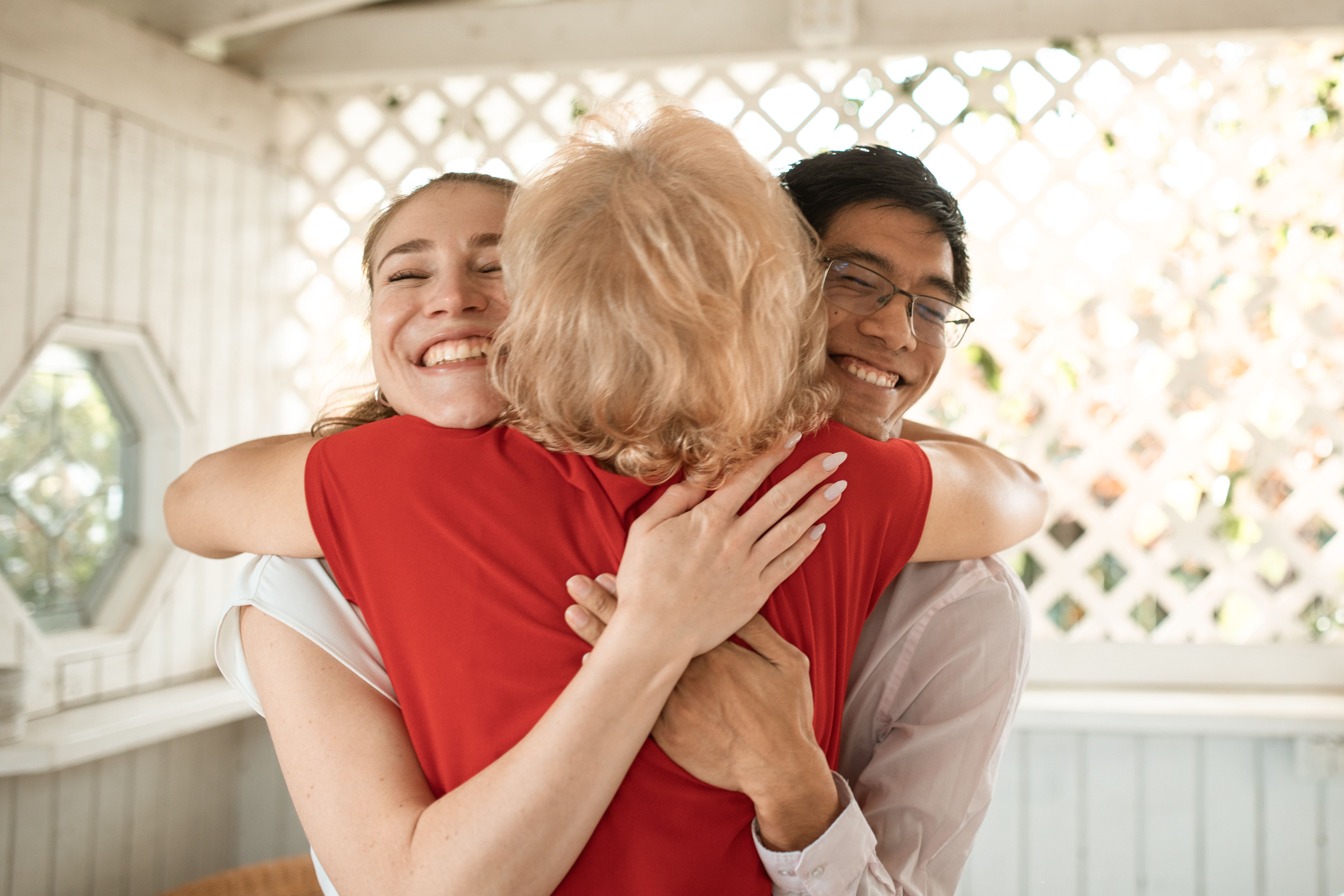

There is a particular kind of noise that fills a Filipino family reunion: children chasing each other through hallways, aunts debating whose *kare-kare* is better, and someone's lolo already asleep in a chair before the afternoon ends. These gatherings are living expressions of Filipino culture, woven through with values, rituals, and a sense of belonging that runs far deeper than a shared last name. For Filipino-American families, reunions carry that same warmth across oceans and generations, connecting diaspora communities to something irreplaceable.
The Extended Family Is the Foundation
In Filipino culture, family is not defined by the nuclear unit. The concept of pamilya stretches outward, to cousins several times removed, to godparents (*ninong* and *ninang*), and to family friends who have simply been around long enough to earn an honorary "Tita" or "Tito." A Filipino family reunion reflects this expansiveness immediately. Dozens, sometimes hundreds, of people fill backyards, community halls, or rented pavilions, and every single one of them is genuinely considered family.

Welcome to United Tribes
Where Filipino Culture Comes Alive
Join Your Tribe
Connect with your people
Discover Events
Watch parties & festivals
Find Filipino Businesses
Restaurants, markets & more
Earn Crown Credits
Get rewarded for engaging
This broad definition of kinship means Filipino reunions have a different emotional texture. There is rarely the awkward small talk of strangers, as even distant relatives share a sense of obligation and affection rooted in pakikisama, the Filipino value of togetherness and social harmony. That spirit of connection shapes how people interact, how disagreements dissolve quickly, and how laughter becomes the reunion's default language. Filipino values like bayanihan and pakikisama remain deeply alive within Filipino-American communities precisely because gatherings like these keep them practiced.
Elders Hold the Room Together
No Filipino reunion happens without honoring the elders. Lolas and lolos are the gravitational center of the entire event. Younger family members greet them first with *mano*, a gesture of pressing an elder's hand to one's forehead as a sign of respect. Seats are arranged so elders are comfortable. Food reaches their plates before anyone else's.
This reverence reflects a genuine cultural belief that elders carry wisdom, history, and blessing. They tell stories that younger generations absorb without realizing it — how the family came to America, what province they left behind, which traditions must never be forgotten. The role of lola and lolo in Filipino-American families is central to how identity and memory pass between generations, and the reunion is where that transmission happens most visibly.
The Food Is Never Just Food
A Filipino family reunion table is an act of love rendered edible. Expect *lechon* — a whole roasted pig that anchors the spread — alongside *pancit* for long life, *adobo* in regional variations that spark good-natured family debates, *sinigang* with its sour tamarind broth, and trays of *lumpia* that disappear faster than anyone can restock them. Desserts arrive in abundance: *leche flan*, *halo-halo*, *bibingka*, and *biko*.
Food in Filipino traditions is never incidental. Each dish carries meaning, memory, and regional identity. When a family from Ilocos brings *pinakbet* and another from Cebu brings *lechon* prepared their way, the table becomes a map of the Philippines itself. For Filipino-American families, cooking these dishes is also an act of resistance against forgetting, a way of keeping home alive in a country far from where these recipes were born.
Games, Music, and the Art of Togetherness
Filipino reunions do not let anyone sit quietly for too long. Games are a beloved tradition: *palosebo* (greased pole climbing), sack races, *palayok* (pot breaking blindfolded), and karaoke that draws in even the most reluctant singers. Adults compete with the same enthusiasm as children, and the noise level tells you exactly how alive the gathering is.
Karaoke, in particular, deserves its own mention. It is practically a cultural institution at Filipino gatherings. Someone's tito will sing a Tagalog ballad with devastating sincerity. A teenage cousin will attempt something contemporary and bring the house down. The music creates a thread between generations, much like how Filipino-American Christmas traditions use food and song to keep cultural memory warm across the calendar year.
How Filipino-American Families Keep the Tradition Alive
Across the United States — in California, Texas, Hawaii, Illinois, and beyond — Filipino-American families continue holding these reunions with remarkable dedication. Some families organize annual gatherings that rotate between cities, with different branches hosting each year. Others form formal family associations with newsletters, contribution funds, and reunion committees. WhatsApp group chats and Facebook groups now coordinate logistics that once happened through phone trees and mailed invitations.
The motivation remains unchanged: to give younger generations a sense of where they come from. American-born Filipinos who might feel caught between two worlds find clarity at these gatherings. They hear the language, taste the food, learn the names, and understand, perhaps for the first time, that identity is not something you choose alone. It is something your family hands to you, one reunion at a time. That spirit of resilience runs through Filipino-American life in countless forms, and the family reunion is one of its most joyful expressions.
Reunions That Root You in Something Real
Filipino family reunions are ecosystems of culture, memory, and identity. From the mano gesture offered to elders, to the lechon centerpiece surrounded by generations of beloved dishes, every element of a Filipino family reunion carries intention. These events hold Filipino traditions intact across time zones and decades, giving each generation a lived experience of what it means to belong.
For Filipino-American families, the reunion is also an act of cultural continuity. It is where the language gets spoken, where elders share stories that no history book contains, and where the values of pakikisama and bayanihan move from concept to practice. In a country that can sometimes pull communities toward assimilation, the reunion gently and joyfully pulls back.
Explore the Filipino community, discover cultural businesses, and connect with heritage events rooted in traditions just like these at United Tribes — a space built for communities that carry their culture proudly into every gathering they host.


