
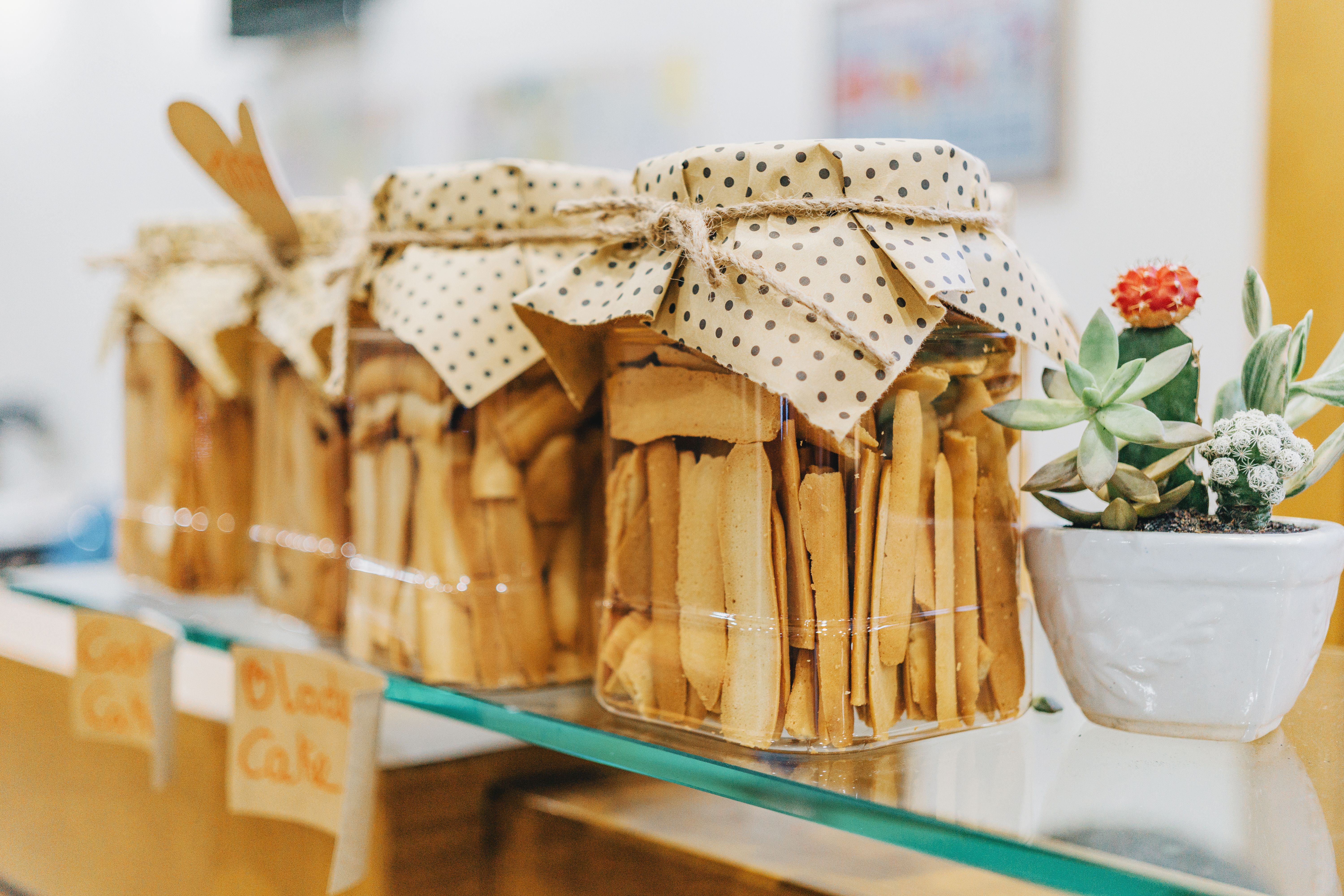

There is an unspoken rule that most Filipinos carry everywhere they travel: you do not come home empty-handed. Whether returning from a weekend trip to another city, a business conference across the country, or a months-long stay in the Philippines, Filipinos arrive at the door with bags in hand. This is the tradition of pasalubong, and understanding it means understanding something essential about Filipino culture itself.
What Pasalubong Actually Means
The word *pasalubong* comes from the Filipino verb *salubong*, meaning "to meet" or "to welcome." In practice, pasalubong refers to gifts, treats, or souvenirs brought back for family, friends, coworkers, or neighbors after any kind of journey. But reducing it to a simple souvenir exchange misses the point entirely.

Welcome to United Tribes
Where Filipino Culture Comes Alive
Join Your Tribe
Connect with your people
Discover Events
Watch parties & festivals
Find Filipino Businesses
Restaurants, markets & more
Earn Crown Credits
Get rewarded for engaging
Pasalubong is about the act of thinking of someone while you were away. It says, *I was somewhere else, and you were still on my mind.* That emotional weight is what separates pasalubong from ordinary gift-giving. It is a gesture of presence even during absence.
The Values That Drive the Tradition
Filipino gift-giving culture is rooted in deeply held values, particularly *kapwa* (shared identity and interconnectedness), *pagmamahal* (love and affection), and *utang na loob* (a sense of gratitude and indebtedness within relationships). Pasalubong weaves all three together.
When a Filipino aunt brings home *polvoron* from Pampanga or dried mangoes from Cebu, she is sharing food and reinforcing her place within the family network. She is saying: I belong to you, and you belong to me. This sense of mutual belonging is a cornerstone of Filipino-American identity and continues to shape how diaspora communities maintain bonds across distance.
The tradition also reflects *bayanihan* — the spirit of communal solidarity that has long defined Filipino social life. Bringing back enough treats for the whole office, not just close friends, reflects an impulse toward inclusivity and generosity. You can read more about how bayanihan and pakikisama thrive in Filipino-American communities and how these values persist across generations.
What Counts as Pasalubong
Pasalubong can be almost anything, but food dominates the tradition for good reason. Food is immediate, shareable, and sensory — it creates a moment of communal enjoyment rather than a private one. Common pasalubong items include:
- Dried mangoes from Cebu, considered among the most iconic pasalubong
- Polvoron (powdered milk shortbread) from Pampanga or Manila
- Otap and barquillos, flaky biscuits from the Visayas region
- Chicharon (pork rinds) from various regional producers
- Ube products — jams, pastries, or candy — now popular worldwide
- Regional sweets, local snacks, or specialty items unique to the place visited
Non-food pasalubong also matters. Ref magnets, keychains, regional crafts, clothing, or beauty products from specific destinations all carry the same weight. What matters is that the item signals *I was there, and I thought of you.*
How Filipino-Americans Adapt the Tradition
For Filipino-American families, pasalubong takes on additional layers of meaning. The geography shifts: instead of traveling between provinces in the Philippines, the journey might be between Los Angeles and New York, or Houston and Seattle. But the impulse remains identical.
Filipino-Americans who visit the Philippines face a particularly high-stakes version of pasalubong. Returning to family in Manila or the provinces means arriving with suitcases carefully packed with goods: vitamins, chocolates, branded goods, clothing, and small electronics that may be harder to find or more expensive back home. Failure to bring enough, or forgetting someone, can cause genuine hurt feelings, not out of materialism, but because the omission communicates a lack of thought.
At the same time, younger Filipino-American generations are finding creative ways to honor the tradition domestically. Bringing back local honey from a farmers market in Vermont, artisan hot sauce from New Orleans, or specialty coffee from Portland all carry the same spirit. The product changes; the intention does not.
This adaptability mirrors a broader resilience within the community, the ability to carry tradition forward without requiring it to stay frozen in its original form. That same quality shows up in how Filipino-American youth groups preserve culture through community, keeping practices alive while making them relevant to American-born generations.
Pasalubong in the Workplace and Beyond
One of the most distinctive aspects of Filipino pasalubong is how freely it extends beyond family. Filipino workers routinely bring treats back for their entire office after a vacation, a box of See's Candies from California, a tin of Garrett Popcorn from Chicago, or regional pastries from wherever they traveled.
Non-Filipino coworkers often experience this without knowing its name. They simply know that their Filipino colleague always comes back from trips with something to share. That generosity, so consistent it becomes a defining characteristic, is pasalubong in action.
Food, Memory, and Belonging
Food-based pasalubong carries a particular emotional charge during holidays and celebrations. During Christmas, one of the most significant seasons in Filipino culture, Filipino-American families arrive at gatherings laden with regional treats and holiday sweets. The food becomes a kind of edible memory, connecting everyone present to places, people, and moments that may now exist only in stories.
That is ultimately what pasalubong is: a physical manifestation of care and a small, tangible way of saying that distance did not sever connection.
Pasalubong and the Ties That Hold
Pasalubong is one of those Filipino traditions that seems simple on the surface: you go somewhere, you bring something back, but it contains within it a whole philosophy of relationships. It reflects a culture that measures love in attentiveness, that treats generosity as a baseline rather than an exception, and that understands community as something requiring constant, active maintenance. For Filipino-Americans navigating life between two worlds, pasalubong is one of the clearest threads connecting who they are to where they come from.
The tradition endures because it works. It keeps families close across continents, makes coworkers feel seen, and turns an ordinary return trip into a moment of reconnection. In a culture where showing up for others is a core value, as explored through the spirit of resilience in Filipino-American responses to challenges, pasalubong is one of the quietest and most consistent expressions of that commitment.
Explore the Filipino community, discover culturally rooted businesses, and celebrate the traditions that make this heritage extraordinary — the Filipino tribe on United Tribes is your gateway to all of it.


