
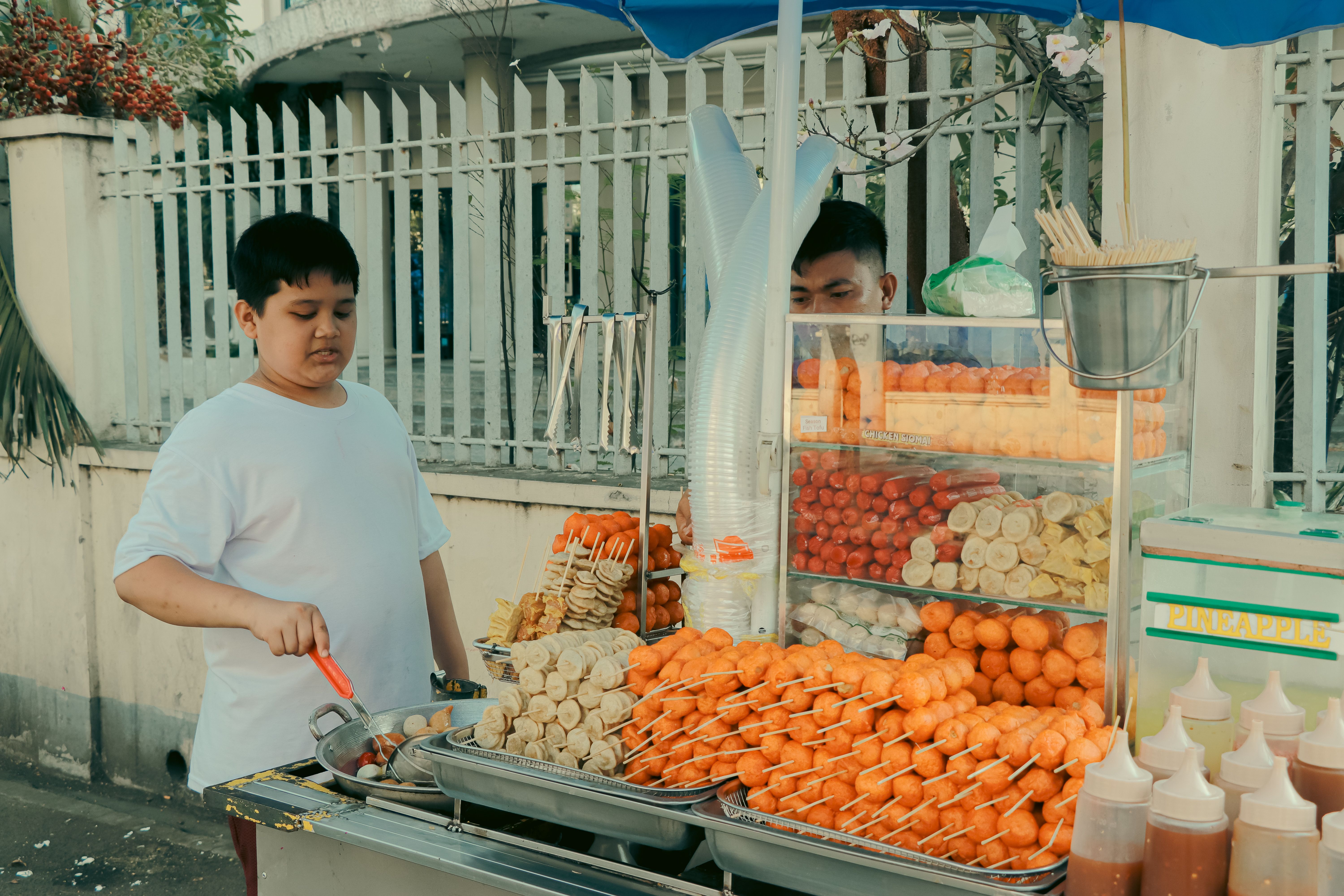

More Than a Snack Break
In the Philippines, the late afternoon brings a familiar rhythm: the kettle hissing, the smell of something warm and sweet drifting from the kitchen, and family members gathering without needing to be called twice. This is merienda, and it is far more than a midday hunger fix. Rooted in Spanish colonial influence yet shaped entirely by Filipino warmth and creativity, merienda has become one of the most quietly powerful expressions of Filipino culture. For Filipino families in the United States, it remains a living tradition that carries both memory and meaning across generations.
The Origins of Merienda
The word *merienda* comes from Spanish, where it referred to a light afternoon meal between lunch and dinner. Spanish colonization of the Philippines, which lasted more than three centuries, introduced this practice to the archipelago. But Filipinos made it their own. Rather than keeping it light and simple, they transformed merienda into a spread of flavorful, often labor-intensive snacks that reflect regional ingredients, family recipes, and communal generosity.

Welcome to United Tribes
Where Filipino Culture Comes Alive
Join Your Tribe
Connect with your people
Discover Events
Watch parties & festivals
Find Filipino Businesses
Restaurants, markets & more
Earn Crown Credits
Get rewarded for engaging
Over time, merienda became embedded in daily Filipino life. It signaled a pause in the workday, a moment of connection, and an expression of care. Preparing merienda for someone became an act of hospitality.
Classic Merienda Foods
Filipino snacks made for merienda are remarkably diverse. Each region of the Philippines brings its own specialty, and families often have generations-old recipes passed down through grandmothers and mothers. Some of the most beloved merienda foods include:
- Bibingka – a warm rice cake baked in banana leaves, traditionally enjoyed during the Christmas season
- Puto – steamed rice muffins, soft and slightly sweet, often served alongside savory dishes
- Champorado – a thick chocolate rice porridge, frequently paired with dried fish for a sweet-salty contrast
- Pandesal – soft, slightly sweet bread rolls that double as a morning and afternoon staple
- Taho – a silken tofu dessert topped with arnibal (brown sugar syrup) and sago pearls, sold by street vendors calling out through neighborhoods
- Palitaw – flat sticky rice cakes rolled in coconut and sesame seeds
- Suman – sticky rice wrapped in banana or coconut leaves, often enjoyed with ripe mango
Merienda and the Fabric of Family Life
What makes merienda culturally significant is its role in bringing people together. In Filipino households, the afternoon snack is rarely eaten alone. It is the moment when children come home from school and sit with a grandmother who has been waiting with something freshly made. It is when neighbors drop by unannounced and are immediately offered a plate. The role of lolas and lolos in Filipino-American families is deeply tied to moments like these, as grandparents are often the keepers of merienda traditions, the ones who remember the exact texture of a properly made bibingka or the right ratio of sugar in champorado.
Merienda teaches children that care is expressed through feeding. It builds a sense of belonging around the table, reinforcing values like pakikisama, the Filipino value of togetherness and group harmony, that shape how Filipinos relate to each other throughout their lives.
Keeping Merienda Alive in the United States
For Filipino-Americans, recreating merienda in the U.S. is an act of cultural preservation. Many families seek out Filipino grocery stores and bakeries to find the right rice flour, banana leaves, or ube halaya needed to make traditional snacks. The Filipino-American experience of finding home away from home often runs directly through the kitchen — cooking familiar food in an unfamiliar place becomes one of the most grounding acts a family can undertake.
Filipino-American communities across cities like Los Angeles, Chicago, and Jersey City have developed robust food networks, such as bakeries, specialty grocers, and catering businesses, that make traditional Filipino snacks more accessible.
The values of bayanihan and pakikisama, community solidarity and the spirit of helping one another, show up in how Filipino-Americans share merienda traditions in their new hometowns, hosting potlucks and community gatherings where trays of puto and suman bring people back to something familiar.
Merienda During Celebrations and Seasons
While merienda is an everyday practice, certain Filipino traditions elevate it during special occasions. The Christmas season, known in the Philippines as the longest in the world, is particularly associated with merienda foods. Bibingka and puto bumbong are synonymous with Simbang Gabi, the nine-day series of dawn masses leading up to Christmas. Filipino-American Christmas cuisine reflects how deeply these merienda staples are woven into holiday memory and spiritual observance.
Even outside the holiday season, merienda marks milestones, birthdays, school graduations, and neighborhood fiestas. Every occasion is an excuse to bring out something homemade and share it widely.
Merienda Carries Culture Forward
Merienda is a daily reminder that Filipino culture treats nourishment as an act of love. It bridges generations, sustains community bonds, and preserves culinary heritage in a way that no single holiday or celebration alone can. For Filipino-Americans navigating life between two cultures, the afternoon snack table becomes one of the most honest expressions of who they are and where they come from.
Whether it is a grandmother pressing suman for her grandchildren or a Filipino bakery in a new American city filling the air with the scent of pandesal, merienda carries something essential forward. It is proof that small, everyday rituals carry deep cultural weight.
Explore the stories, businesses, and traditions of the Filipino-American community at United Tribes, where culture is celebrated one connection at a time.


