
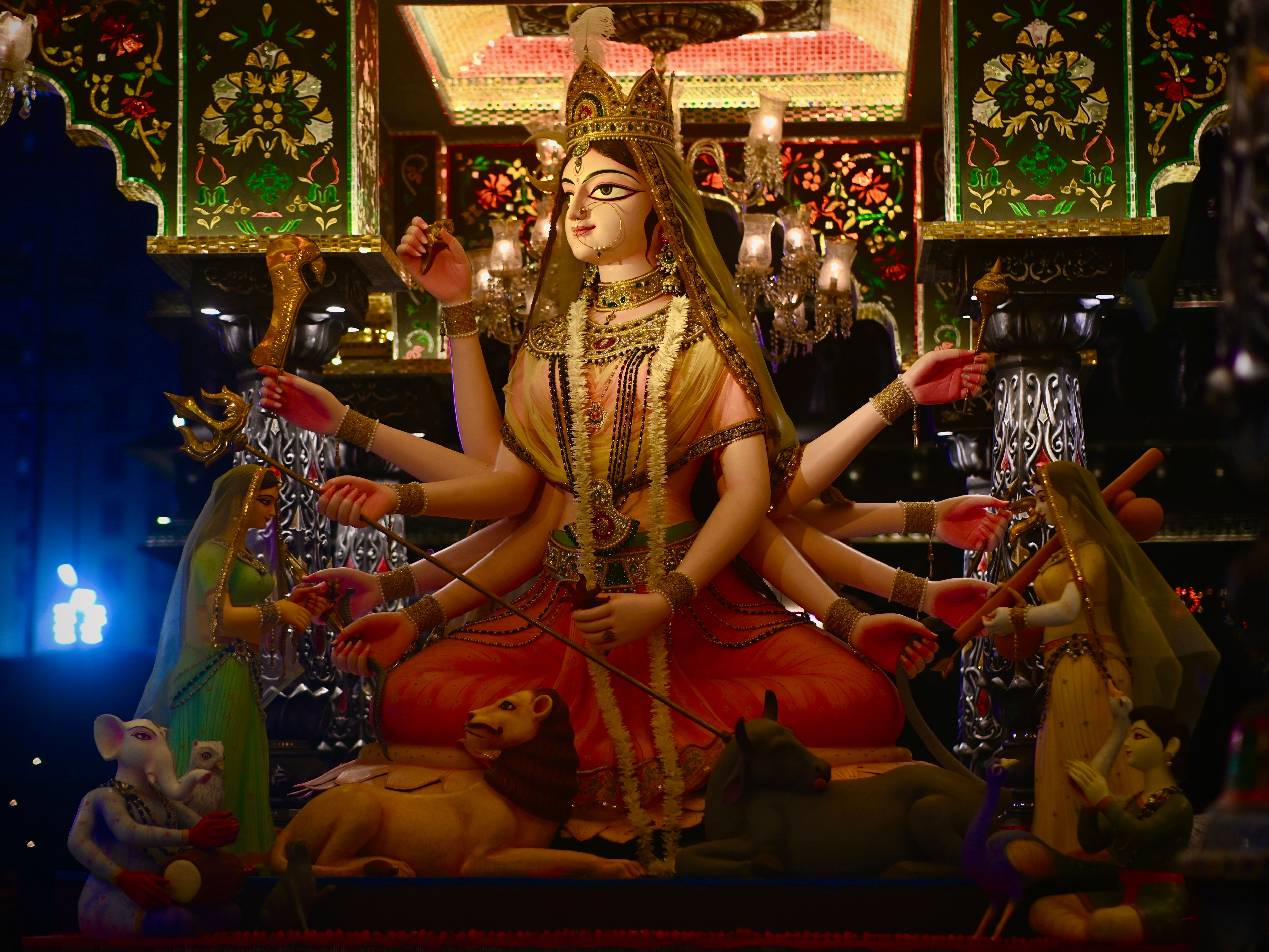

Navratri is one of India's most beloved festivals — nine nights of devotion, color, music, and fasting observed by millions across the country and in diaspora communities worldwide. With Sharad Navratri 2026 beginning October 11, it's worth pausing to appreciate something remarkable: this festival isn't one-size-fits-all. Depending on which region of India your family comes from, Navratri can look, sound, taste, and feel entirely different. Regional Navratri celebrations reveal the extraordinary diversity within Indian culture, and understanding those differences deepens appreciation for the festival far beyond its surface-level beauty.
Gujarat: The Heartbeat of Garba
When most Americans picture Navratri, they picture Gujarat. Garba, the circular devotional dance performed in honor of the goddess Amba, has become globally synonymous with the festival — and for good reason. In Gujarat, Navratri is a nine-night spectacle that transforms entire cities. Open grounds and stadiums fill with thousands of dancers dressed in chaniya choli and kediyus, spinning in rhythmic unison around a central lamp or idol.

Welcome to United Tribes
Where Indian Culture Comes Alive
Join Your Tribe
Connect with your people
Discover Events
Watch parties & festivals
Find Indian Businesses
Restaurants, markets & more
Earn Crown Credits
Get rewarded for engaging
Dandiya Raas, performed with decorated sticks, follows Garba later in the evenings and adds an exhilarating, playful dimension to the celebrations. Gujarati Navratri is competitive in the best sense—communities organize formal competitions that judge dance technique, costumes, and choreography for Indian-Americans from Gujarati backgrounds, recreating this experience in the U.S.matters deeply. Community centers and temples from New Jersey to California host Garba nights that draw thousands, making it one of the most visible Indian festival experiences in the diaspora.
West Bengal and Eastern India: Durga Puja's Grand Scale
Travel east and Navratri transforms completely. In West Bengal, Odisha, and Assam, the festival is inseparable from Durga Puja — a celebration of the goddess Durga's victory over the demon Mahishasura. While the nine nights matter, the emotional and cultural climax arrives in the final four days: Saptami, Ashtami, Navami, and Vijaya Dashami.
Bengali Navratri is as much a public art event as it is a religious observance. Pandals — elaborately constructed temporary structures — house towering, hand-crafted clay idols of Durga surrounded by her children. Artisans in Kolkata's Kumartuli neighborhood spend months crafting these sculptures. Neighborhoods compete fiercely for the most creative pandal themes, from replicas of world monuments to social-commentary installations.
On Vijaya Dashami, the final day, idols are carried in procession to rivers and immersed—a moment of collective emotion deeply tied to Bengali identity. For Indian-Americans from eastern states, Saraswati Puja and related eastern Indian observances reflect this same devotional tradition that runs through the region's festivals.
South India: The Golu Tradition
In Tamil Nadu, Karnataka, Andhra Pradesh, and parts of Kerala, Navratri in India takes the form of a home-centered tradition called Golu (also known as Bommai Kolu). Families arrange stepped wooden platforms — typically odd-numbered tiers — and display collections of dolls, figurines, and miniature scenes depicting gods, goddesses, and daily village life.
Families curate the Golu display over years, inheriting antique dolls passed down through generations. Neighbors and friends visit each other's homes throughout the nine days to admire the displays, share sweets, and receive gifts of turmeric, kumkum, and small tokens. Women play a central role — hosting visitors, performing Carnatic music, and maintaining elaborate rituals specific to each household's tradition.
This home-based, community-visiting structure makes South Indian Navratri intimate in a way that contrasts sharply with Gujarat's public spectacle. South Indian temples in the U.S. have become anchors for preserving these traditions — something United Tribes explores further in its coverage of South Indian temples in the U.S. and how they maintain ritual and architecture far from home.
Fasting Practices and Festival Foods
Across all regions, Navratri fasting is a shared thread — but even here, variation is striking. What qualifies as acceptable fasting food differs by community. North Indians commonly prepare sabudana khichdi (tapioca pearls with peanuts), kuttu ka atta (buckwheat flour) flatbreads, and sendha namak (rock salt) dishes. Potatoes, dairy, and certain fruits are permitted while grains and regular salt are avoided.
In Gujarat, fasting households enjoy farali dishes — a specific category of festival foods made without grains or certain spices. South Indian fasting traditions may vary by family and community, with some observing full fasts only on specific days. Bengali households mark Ashtami with the Sandhi Puja, an intensely observed ritual at the junction of the eighth and ninth nights.
The flavors of Navratri reflect India's regional cuisines in miniature. If you're curious about Indian cuisine adapted for modern kitchens, festival food is a natural starting point.
Navratri in the Indian-American Community
For Indian-Americans, Navratri traditions often blend regional backgrounds within a single community event. A temple in Houston or Chicago might host both Garba nights and a Golu display, drawing families from Gujarat, Tamil Nadu, and Bengal under one roof. This cross-regional synthesis is unique to the diaspora experience nd something earlier United Tribes coverage of Navratri in the U.S. captures well.
Community organizers increasingly work to honor multiple traditions rather than default to a single regional interpretation, making diaspora Navratri celebrations a genuine reflection of India's internal diversity.
One Festival, Many Living Traditions
Navratri's power lies precisely in this multiplicity. The same nine nights carry Garba's spinning energy in Gujarat, Durga Puja's grand processions in Bengal, the quiet intimacy of Golu in Tamil Nadu, and fasting tables that differ household by household. Regional Navratri celebrations aren't competing versions of the same thing—they are distinct expressions of a shared devotional spirit rooted in geography, language, and generations of lived tradition.
For Indian-Americans preparing to observe Sharad Navratri 2026 starting October 11, that regional identity matters. Whether your family's tradition involves building a Golu display, attending a Garba night, or preparing sabudana khichdi in a fasting kitchen, these practices connect you to something specific and irreplaceable.
Indian-owned businesses, cultural organizers, and community leaders keeping these Navratri traditions alive in the U.S. deserve to be found and celebrated — connect with the Indian community on United Tribes to discover the people and spaces making that possible this season.
Make United Tribes Your Preferred Source
Add United Tribes on Google to get the latest stories, cultural updates, and community events directly in your Google Search and Top Stories.