
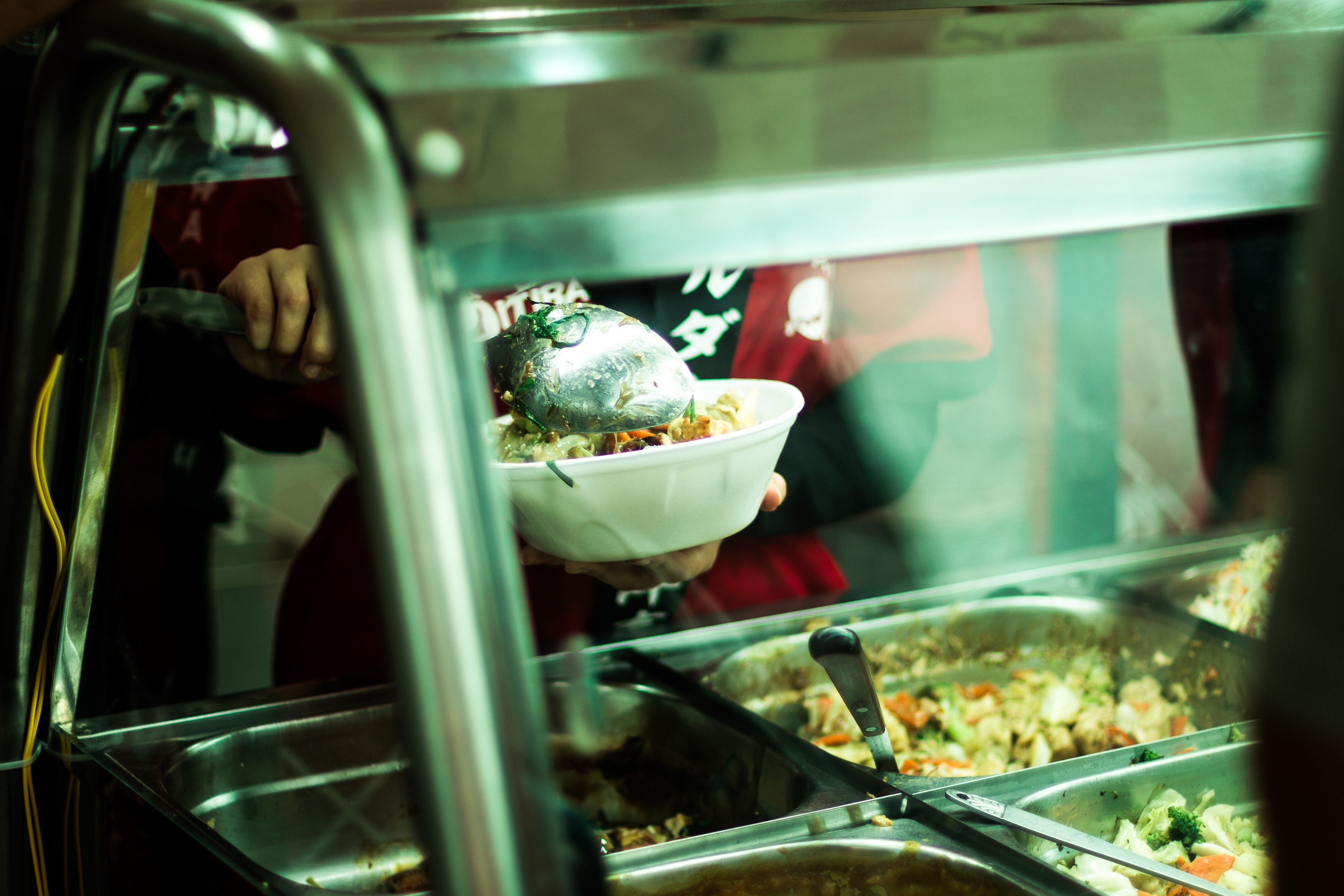

In Somali culture, food is rarely just sustenance. It is an act of love, a declaration of welcome, and a thread that binds families and communities together. Long before a meal reaches the table, its purpose has already been decided — it will be shared. Somali dining culture reflects a worldview in which generosity is not optional but foundational, and where gathering around food is one of the most meaningful things people can do together.
The Cultural Weight of the Shared Table
Somali society places extraordinary value on xawaash — a concept of warmth, welcome, and communal spirit — and nowhere is this more visible than at mealtimes. Eating alone is considered unusual at best, and slightly sorrowful at worst. A shared meal carries meaning. Whether it is a weekday dinner among immediate family or a feast laid out for unexpected guests, the expectation in Somali family culture is always that there is room for one more.

Welcome to United Tribes
Where Somalian Culture Comes Alive
Join Your Tribe
Connect with your people
Discover Events
Watch parties & festivals
Find Somalian Businesses
Restaurants, markets & more
Earn Crown Credits
Get rewarded for engaging
This communal instinct is deeply embedded in how food is served. Rather than individual plates portioned out before sitting down, Somali food traditions typically involve large shared platters placed at the center of the group. Everyone eats from the same dish, passing food and conversation in equal measure.
Hospitality as Sacred Duty
Few values are held more firmly in Somali hospitality than the obligation to feed a guest. Somali culture operates under the principle that a visitor must never leave hungry. Regardless of a household's circumstances, offering food to someone who crosses the threshold is considered non-negotiable, a marker of dignity, both theirs and yours.
Guests are typically served first and given the most generous portions. It is common for the host family to hold back until guests are satisfied, sometimes eating afterward or with what remains. This is not self-sacrifice out of duty but an expression of genuine pride in hospitality. The Arabic greeting "Ahlan wa sahlan" — meaning "welcome, and may you find ease" — captures this spirit well, and it lives fully in how Somali families treat those they feed.
What a Typical Meal Setting Looks Like
A traditional Somali meal setting reflects the communal values at its heart. Meals are often served on a large communal tray or sufra — a low spread cloth or mat on which food is arranged at floor level, with family members sitting around it. This low, circular arrangement encourages closeness and equality; no one is seated above another, and everyone shares the same view of the food.
Common dishes include bariis iskukaris (a spiced rice dish fragrant with cardamom and cumin), hilib ari (goat stew), canjeero (a spongy, fermented flatbread similar to injera), and suugo suqaar (a meat sauce often served over pasta — a legacy of Italian colonial presence in Somalia). These dishes are designed for sharing; their portions are generous, their flavors bold, and their presentation inviting.
Tea — particularly shaah, a spiced Somali tea brewed with cardamom and ginger — is served before and after meals as a gesture of hospitality and a signal that time together is valued.
The Social Role of Eating Together
Communal meals in Somali culture serve functions well beyond nutrition. They are when family news is exchanged, decisions are made, elders are honored, and younger generations absorb their community's values. Children learn by watching — how to serve before being served, how to sit patiently, how to speak respectfully in the presence of elders. The dinner setting is, in many ways, a classroom without walls.
During religious observances like Ramadan, communal dining reaches its most powerful expression. The iftar meal — breaking the fast after sunset — becomes a community event, with neighbors and extended family gathering in ways that reinforce both spiritual connection and a sense of belonging. Food in this context is inseparable from faith, memory, and identity.
Somali-American Families Keeping Tradition Alive
In the United States, Somali-American culture carries these communal dining traditions forward, though not without adaptation. Cities like Minneapolis, Columbus, and Seattle have large Somali-American populations where cultural practices remain vibrant. Families living in apartments or suburban homes may no longer sit on a sufra mat on the floor, but the communal platter often still appears at the center of the table.
Weekend gatherings at family homes remain central to Somali-American social life. Extended family — aunts, uncles, cousins — often rotate through each other's homes for shared meals, keeping the network tight across American neighborhoods. These gatherings are also where younger Somali Americans, born or raised in the U.S., reconnect with the language, stories, and customs their parents brought from home.
Community organizations and cultural platforms that support diaspora groups have shown how powerful it is for younger generations to find structured ways to stay connected to their roots — something Somali-American communities understand deeply through their own gathering traditions.
Food That Feeds More Than Hunger
Somali dining culture is a living expression of what a community believes. Every shared platter, every cup of shaah offered to a guest, every family crowded around a communal tray is a statement about what matters: generosity, togetherness, and the dignity of welcoming others. These are not relics of a distant past but active daily choices that Somali and Somali-American families make to stay connected to each other and to who they are.
For Somali Americans especially, communal meals carry extra weight. They are acts of cultural memory in a new landscape, ways of saying that distance from home does not mean distance from identity. The table — whether traditional or adapted — remains the place where Somali hospitality is most honestly expressed, and where the next generation learns what it means to belong.
Curious about how other communities across the U.S. are keeping their food traditions and cultural connections alive? Explore the United Tribes community to discover the people, stories, and heritage shaping multicultural America today.
Find your community: Somali businesses near you on United Tribes.
Make United Tribes Your Preferred Source
Add United Tribes on Google to get the latest stories, cultural updates, and community events directly in your Google Search and Top Stories.