
The Largest Bolivian Business Directory in the US
Where Dreams Thrive and Connections Grow.
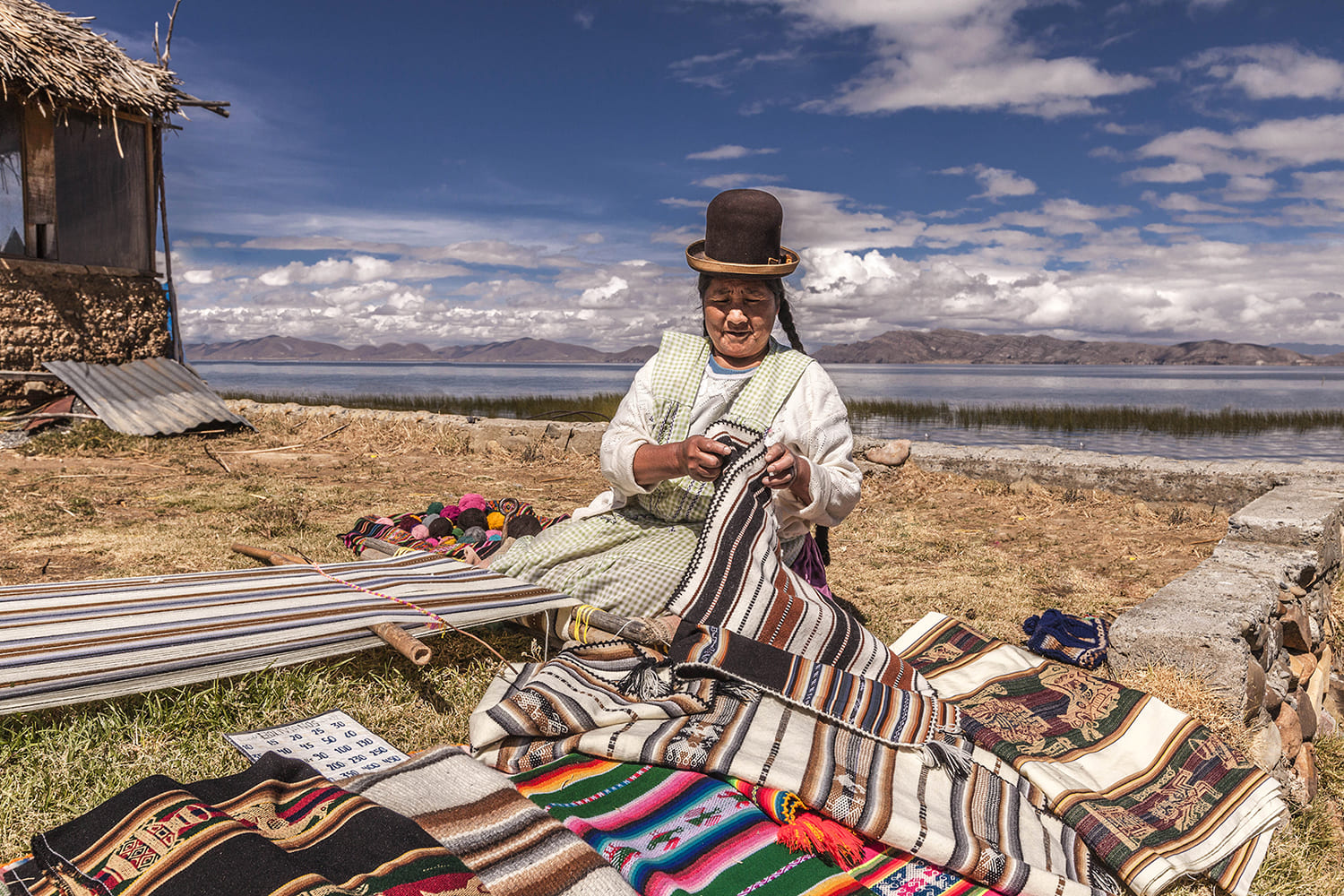
Bolivia is home to one of the highest concentrations of indigenous peoples in South America, with Quechua and Aymara communities shaping everything from language to agriculture to spiritual practice. The Bolivian community worldwide carries forward distinct Andean and lowland traditions, including unique festivals like the Oruro Carnival, staple dishes such as salteñas, and a calendar of Bolivian observances anchored in both Catholic and Pachamama traditions.
Community at a Glance
Fast facts about the Bolivian community in the United States

Diaspora
Concentrated in Argentina, Brazil, Spain, and the United States

Spanish
Quechua, and Aymara are all official languages

Oruro Carnival
Día de los Muertos, Alasitas Fair

Catholic Christianity interwoven with Andean spiritual practice
Catholic Christianity interwoven with Andean spiritual practice

Indigenous Pachamama worship coexists alongside Evangelical Christianity
Indigenous Pachamama worship coexists alongside Evangelical Christianity

Tiwanaku civilization flourished near Lake Titicaca from roughly 300 to 1000 CE
Tiwanaku civilization flourished near Lake Titicaca from roughly 300 to 1000 CE
Key Definitions
Quick guide to terms you'll hear in the Bolivian community

What is Pachamama, and how does it shape Bolivian culture?
Pachamama means "Earth Mother" in Quechua and Aymara. Bolivians offer her food, coca leaves, and libations each August in gratitude and petition.

What is the Alasitas Festival, and what makes it unique to Bolivia?
Held annually in La Paz on January 24, Alasitas centers on Ekeko, a deity in the form of a figurine believed to grant miniature replicas of desired possessions.

What role does the coca leaf play in Bolivian traditions?
Coca leaf is chewed for altitude adaptation, used in ceremonial offerings, and exchanged as a social gesture at community gatherings across Bolivia.
 Featured Businesses
 Featured Events
Frequently Asked Questions
Get quick answers to common questions—about joining, listing your business, attending events, using the app, or navigating the Pulse. We’re here to help you connect with ease.
Business Directory
Bolivia Business Listings
Related Blog Topics


