
The Largest Ecuadorian Business Directory in the US
Where Dreams Thrive and Connections Grow.
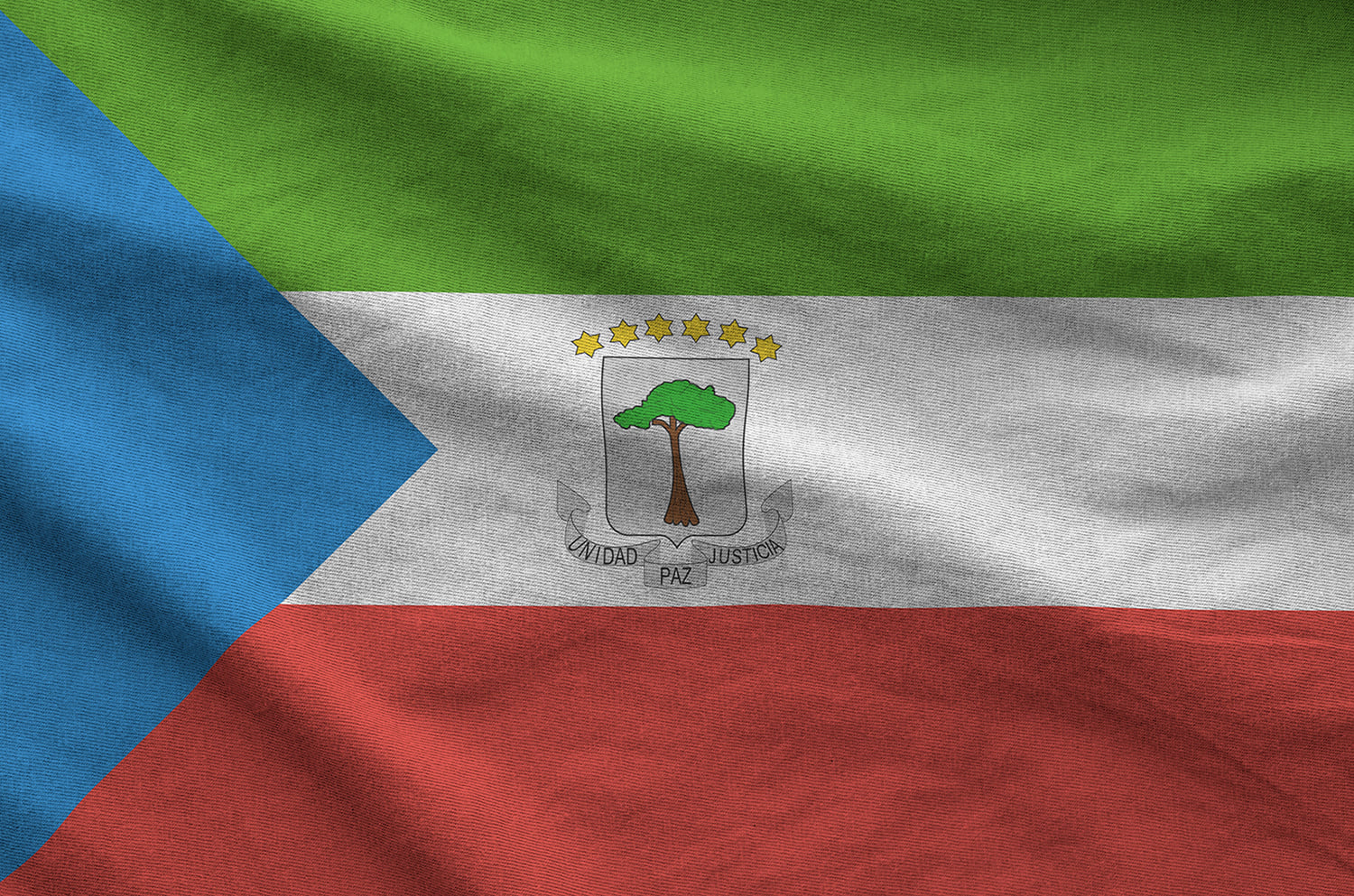
Equatorial Guinea is Central Africa's only Spanish-speaking country, a fact that shapes everything from its legal institutions to its literary voice. Fang and Bubi cultural traditions coexist alongside Spanish and French colonial legacies, producing a community identity unlike any other on the continent. This page explores the cuisine, music, ceremonies, and diaspora connections that define Equatorial Guinean culture within the broader African community.
Community at a Glance
Fast facts about the Equatorial Guinean community in the United States

Diaspora
Concentrated in Spain, Cameroon, Gabon, and the United States

Spanish is the official language
Fang, Bubi, and French are also spoken

Independence Day (October 12)
Tree Planting Day

Roman Catholicism is practiced by the majority of the population
Roman Catholicism is practiced by the majority of the population

Traditional animist beliefs coexist alongside Catholic practice
Traditional animist beliefs coexist alongside Catholic practice

Fang and Bubi peoples settled the mainland and Bioko Island
respectively
Key Definitions
Quick guide to terms you'll hear in the Equatorial Guinean community

What is the Bwiti influence in Equatorial Guinea?
Bwiti is a spiritual framework originating among Fang-related peoples, incorporating iboga ceremonies, ancestral communication, and initiation rites that are still observed today.

What does "balélé" refer to in Equatorial Guinean culture?
Balélé is a traditional Bubi ceremonial dance performed on Bioko Island during community gatherings, involving rhythmic movement, call-and-response singing, and ceremonial dress.

Who are the Bubi people and where do they live?
The Bubi are the indigenous inhabitants of Bioko Island, historically isolated from mainland groups and maintaining distinct language, governance structures, and ritual traditions.
 Featured Businesses
 Featured Events
Frequently Asked Questions
Get quick answers to common questions—about joining, listing your business, attending events, using the app, or navigating the Pulse. We’re here to help you connect with ease.
Business Directory
Equatorial Guinea Business Listings
Related Blog Topics


