
The Largest Salvadoran Business Directory in the US
Where Dreams Thrive and Connections Grow.
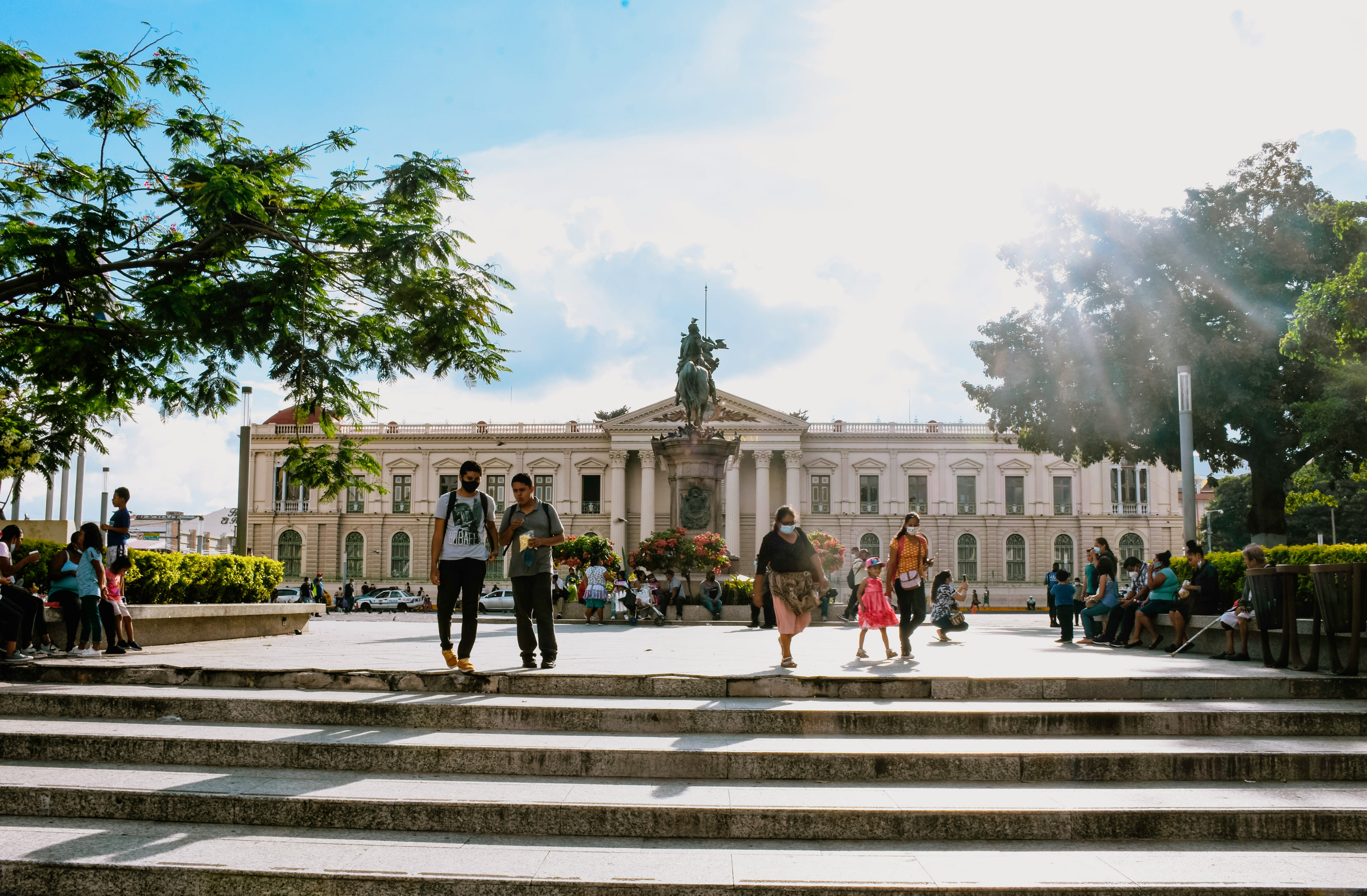
Salvadorans form one of the largest Central American communities in the United States, concentrated in Los Angeles, Houston, and the Washington D.C. metro area. The community carries forward Pipil and Spanish colonial heritage through pupusas, marimba music, and Catholic feast-day celebrations. El Salvador traditions around family, faith, and craftsmanship remain central to how Salvadorans connect both at home and across the diaspora.
Community at a Glance
Fast facts about the Salvadoran community in the United States

Diaspora
Large concentrations in Los Angeles, Houston, and Northern Virginia

Spanish
Nawat (Pipil) spoken by a small indigenous community

Fiestas Agostinas
Día de la Cruz, Independence Day, September 15

Roman Catholicism is the majority faith practiced nationally
Roman Catholicism is the majority faith practiced nationally

Growing Evangelical Protestant communities
smaller Jehovah's Witness presence

Pipil (Nahua-descended) and Lenca peoples preceded Spanish colonization in 1524
Pipil (Nahua-descended) and Lenca peoples preceded Spanish colonization in 1524
Key Definitions
Quick guide to terms you'll hear in the Salvadoran community

What is a pupusa, and why is it central to Salvadoran identity?
A pupusa is a thick, handmade corn tortilla stuffed with cheese, chicharrón, or beans, declared El Salvador's national dish by law in 2005.

What are the Fiestas Agostinas celebrated in El Salvador?
Held throughout August in San Salvador, they honor the Feast of the Divine Savior with street processions, carnival rides, and the iconic flower-and-palm parade.

Who were the Pipil people?
The Pipil were a Nahua-speaking indigenous group who settled western El Salvador around 900 CE and resisted Spanish conquest under the leader Atlacatl.
 Featured Businesses
 Featured Events
Frequently Asked Questions
Get quick answers to common questions—about joining, listing your business, attending events, using the app, or navigating the Pulse. We’re here to help you connect with ease.
Business Directory
El Salvador Business Listings
Related Blog Topics


